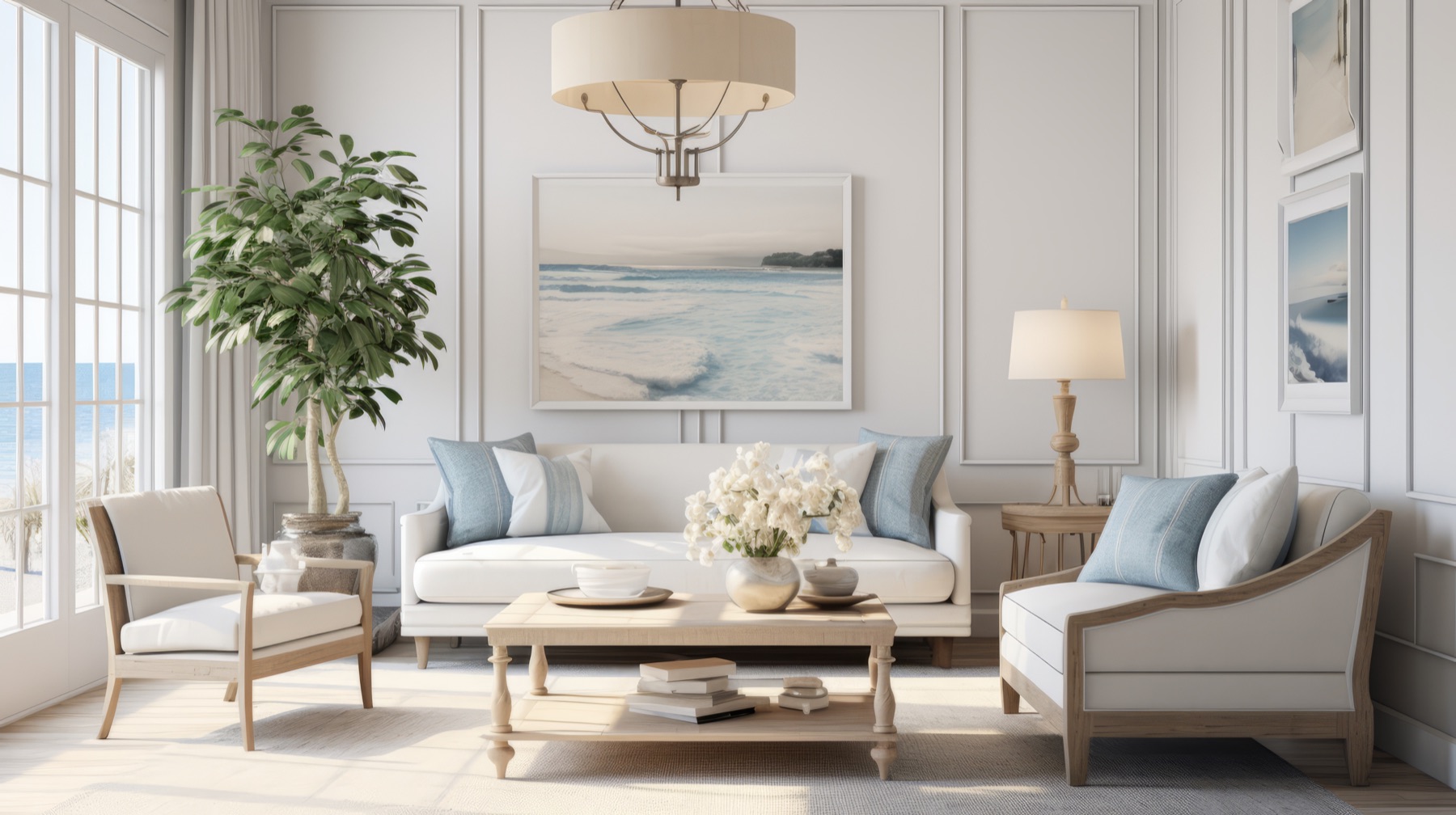
There is a particular quality to a well-kept hotel room that is often mistaken for luxury.
In reality it is something far more functional. It is the immediate sense of clarity the space provides. You enter, and without consciously assessing it, your body registers that nothing is out of place, nothing is competing for your attention, and nothing is waiting to be decided.
The room does not ask anything of you, and in that absence, your mind settles almost immediately.
Most women recognise this feeling. Few succeed in recreating it at home.
The appeal of the hotel room is not aesthetic perfection. It is the removal of friction.
The reason is rarely a lack of taste or effort. It is a misunderstanding of what that environment is actually doing. Every element within it has been resolved in advance. There is a place for what is needed, and an absence of what is not. The result is not simply visual order, but a reduction in the number of decisions required to exist comfortably within the space.
How homes become heavy over time
At home, the opposite dynamic often emerges over time. Objects accumulate gradually, surfaces begin to hold multiple purposes, and rooms start to carry unfinished intentions.
Nothing appears significant in isolation, yet collectively the environment becomes heavier to move through. The mind continues to register what remains visible, and with that comes a low, persistent level of cognitive demand. It is not overwhelming, but it is constant enough to affect clarity, rest, and the ease with which one moves between tasks.
A well-designed space does not simply look composed. It reduces the mental effort required to live inside it.
What remains in your environment continues to occupy your attention, whether you are actively engaging with it or not. Over time, this shapes the quality of your thinking. Focus shortens slightly. Transitions become less clean. Rest feels incomplete, not because there is too much to do, but because the space itself does not fully support disengagement.
Structure over minimalism
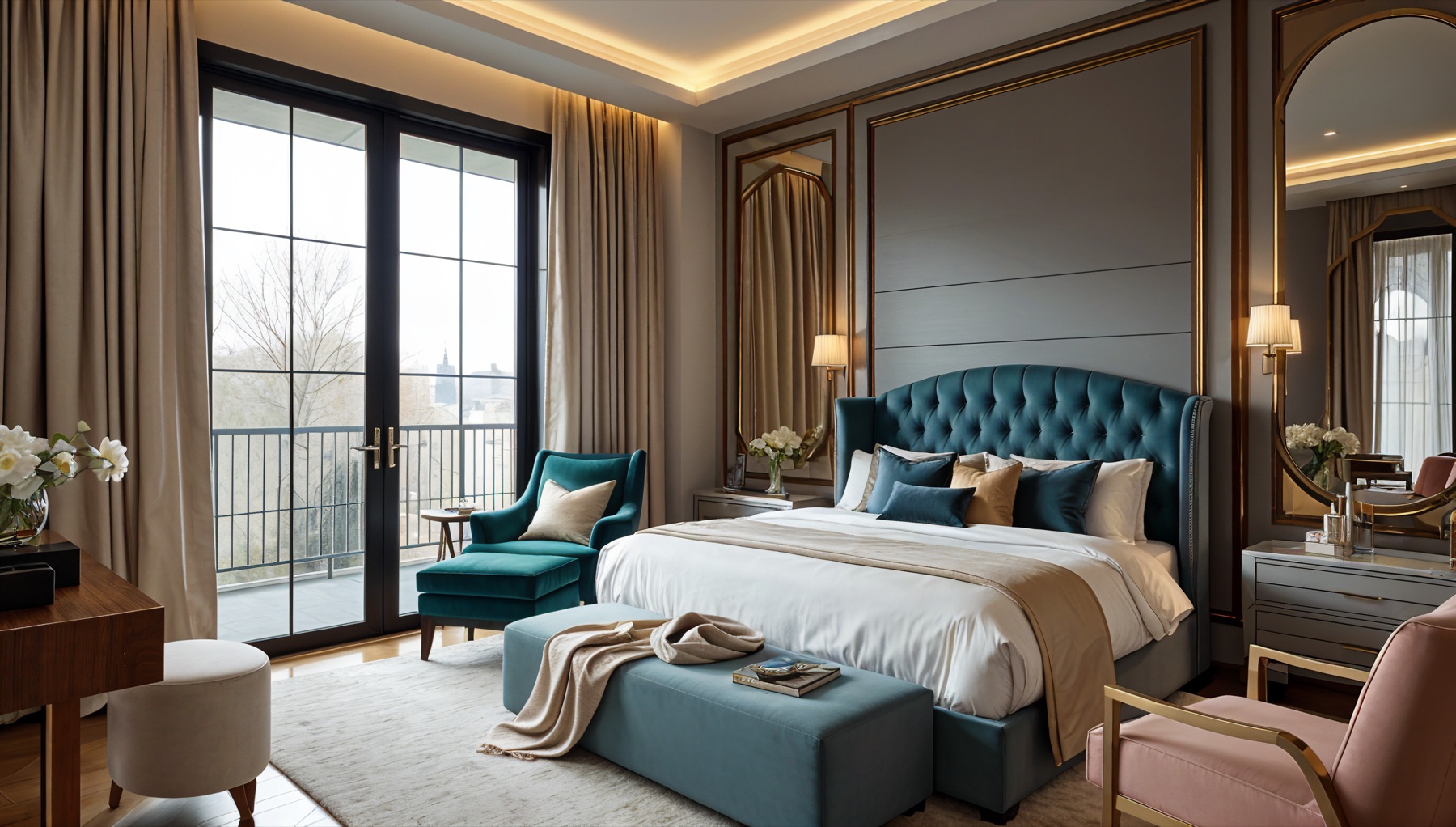
The hotel room avoids this not through minimalism for its own sake, but through structure. It is maintained externally, and therefore its standard does not fluctuate with energy, mood, or circumstance.
Your home, however, relies entirely on internal discipline, and this is where the gap appears. Most women understand what feels good when they experience it elsewhere. Fewer establish the systems required to sustain it without external enforcement.
The principle of recoverability
Your environment should be able to return to a clear, settled state on a daily basis. Not as an occasional reset, but as a maintained standard.
This does not require perfection, nor does it require a reduction of life within the home. It requires decisions that support recoverability. The question shifts from how a space looks at its best, to how easily it can be restored after it has been lived in.
This reframing changes the way a home is organised. Surfaces are treated as functional boundaries rather than flexible storage. Objects are kept in proportion to the systems available to contain them. Storage is designed to be used, not aspirationally maintained.
Most importantly, the standard does not fluctuate based on energy. When order becomes conditional, it becomes inconsistent. And inconsistency is what erodes the sense of calm over time.
What reliability produces
If you are ready to build a home that holds you rather than one you are constantly managing, private work with Kemi is where that standard is built.
Apply privatelyWhat emerges from this approach is not a rigid environment, but a reliable one. A space that does not require negotiation each time you enter it. A home that supports thinking rather than interrupting it, and allows rest without subtle resistance.
The effect is cumulative. You move through your day with slightly more clarity, transition between responsibilities with less friction, and experience your environment as something that holds you, rather than something you are constantly managing.
A well-kept hotel room feels the way it does because it has been prepared in advance for your arrival. Your home has the capacity to offer the same experience, not through external service, but through internal standard.
When that standard is established and maintained, the environment begins to operate differently. It becomes quieter, more supportive, and far less demanding of your attention.
The goal is not a home that appears composed occasionally, but one that can be returned to order with consistency. That reliability is what produces the sense of ease so many women associate with spaces outside their own.
Key positions
- The appeal of the hotel room is not aesthetic perfection. It is the removal of friction. Every element has been resolved in advance, reducing the number of decisions required to exist comfortably within the space.
- What remains in your environment continues to occupy your attention whether you are engaging with it or not. Over time this shapes thinking, shortens focus, and makes rest feel incomplete.
- The hotel room maintains its standard externally. Your home relies on internal discipline. Most women understand what feels good elsewhere. Fewer establish the systems to sustain it at home.
- The question shifts from how a space looks at its best to how easily it can be restored after it has been lived in. Surfaces are functional boundaries. Order does not fluctuate with energy.
- A well-held home is not defined by how it looks at its best, but by how easily it returns to order after it has been lived in. That reliability is what produces the sense of ease so many women associate with spaces outside their own.
A well-held home is not defined by how it looks at its best, but by how easily it returns to order after it has been lived in.
Kemi King