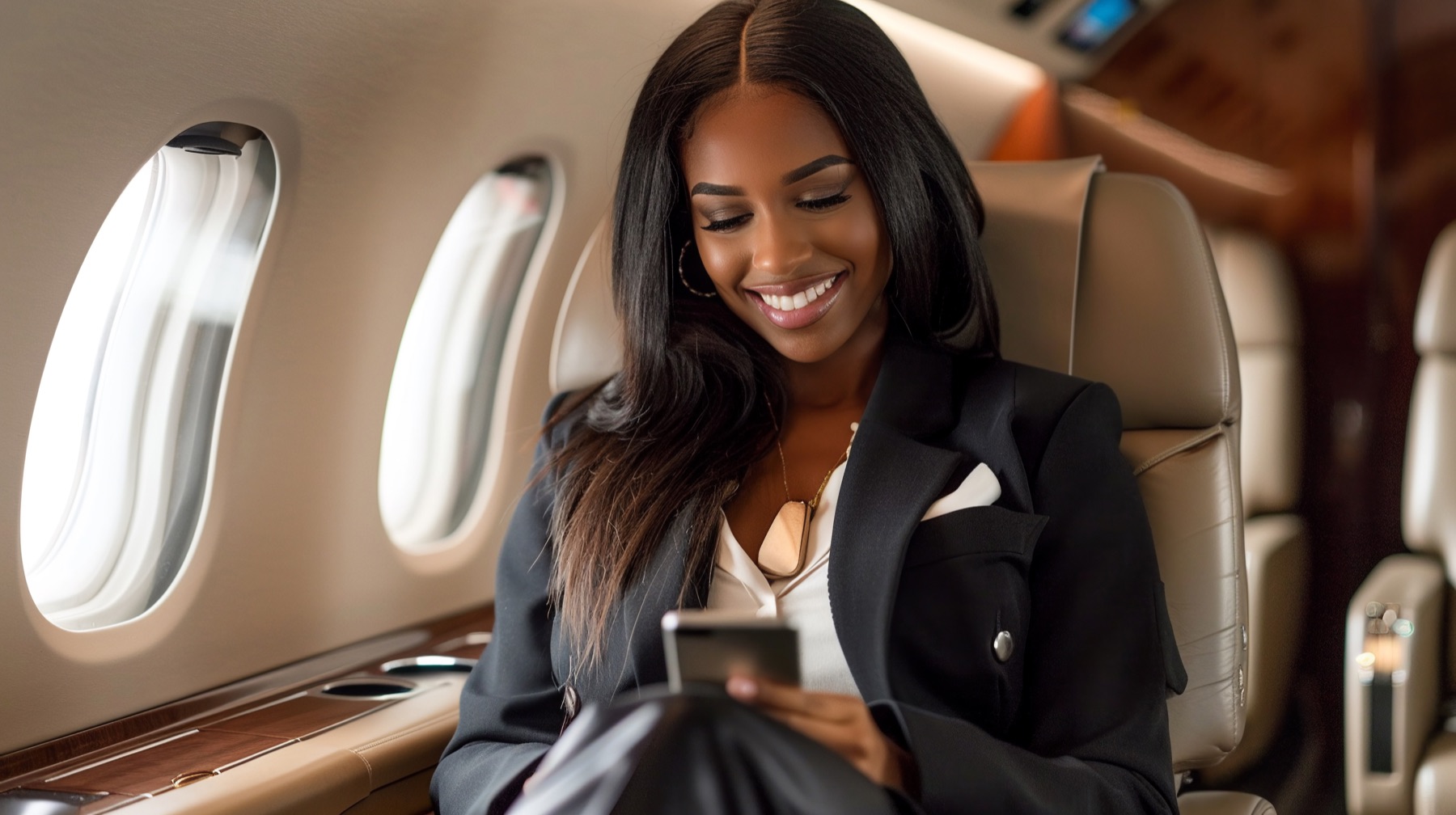
Solo travel is often described in terms of freedom.
The absence of negotiation, the ability to move without compromise, the space to follow instinct rather than agreement. While these are real advantages, they are not what defines the experience over time. What becomes more significant is the way it alters your pace.
When you travel alone, there is no one to absorb your transitions. You arrive fully into each moment, without distraction. There is no conversation to soften the unfamiliar, no shared attention to dilute what you are noticing. The environment meets you directly, and you, in turn, become more aware of how you move within it.
The absence of external rhythm creates space for your own to emerge.
At first, this can feel exposed. Without the buffer of company, even simple interactions carry more weight. Ordering a coffee, navigating a street, entering a room alone. These are not difficult tasks, but they require presence. You cannot move passively. You are required to engage, even in small ways.
Over time, something begins to settle.
You begin to notice what holds your attention and what does not. What feels natural to return to, and what can be left behind without regret. Decisions become quieter, less influenced by expectation and more guided by observation.
To arrive slowly
Many people travel quickly. It is structured around movement, coverage, and experience. Places are visited, documented, and left. Solo travel, when approached differently, allows for a slower arrival. Not only into a location, but into your own experience of it.
To arrive slowly is to resist the pressure to optimise the day. It is to allow space between activities. This is not inefficiency. It is depth.
It is to notice how a place feels at different times of day, rather than only how it appears at its most photographed moments. To sit longer than necessary, to walk without a fixed destination, to remain in a space long enough to observe it without agenda.
When you do, your relationship with it changes. It becomes less about what you can extract from the experience and more about what you can understand within it.
Solo travel as calibration
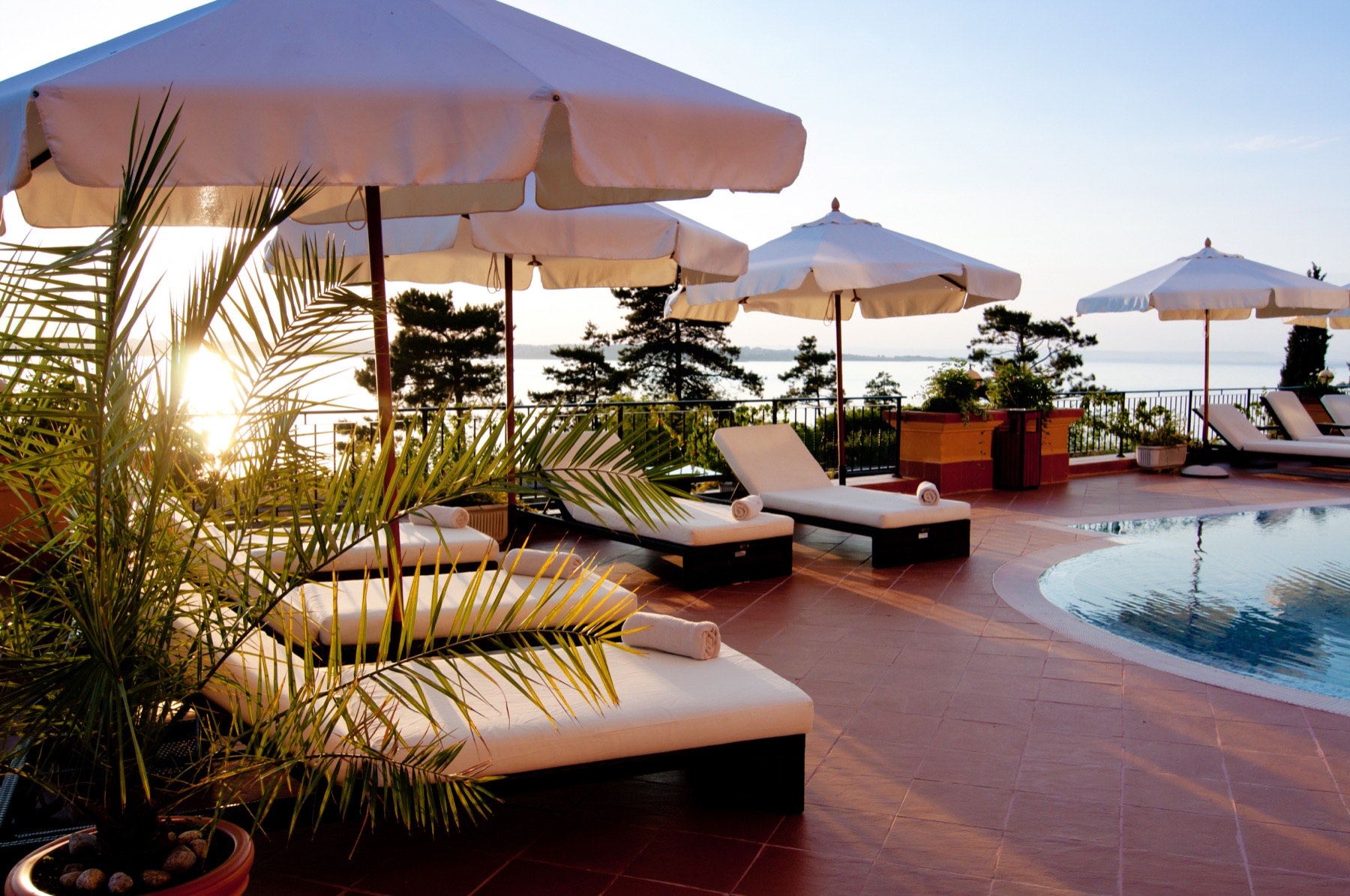
Without the presence of others, there is less opportunity to perform. This creates a different kind of awareness.
You begin to notice your own habits more clearly. How you fill time, how you respond to silence, how comfortable you are without external validation.
This is where solo travel becomes more than movement. It becomes a form of calibration. You begin to see what is truly yours, separate from what is shaped by environment, routine, or expectation. What remains when nothing is required of you except to move through the day. This clarity is often subtle, but it carries forward long after the trip has ended.
There is also a discipline to travelling this way. It requires restraint. The willingness to leave space unfilled, to resist the impulse to constantly occupy your time, and to accept that not every moment needs to be maximised. Yet it is often within this unstructured space that the most valuable observations occur.
How you return
If you are building a life with more intention and less urgency, private work with Kemi is where that practice is established.
Apply privatelyWhat matters, then, is how you return. Without intention, the pace you discovered while away is quickly absorbed by the demands waiting for you. The clarity fades, not because it was insignificant, but because it was not integrated.
To return well is to carry something back deliberately. To reintroduce space into your days, to protect moments of slowness, and to resist the immediate pull toward urgency.
The value of travelling alone is not only in what is experienced while away, but in what is maintained once you are home. Without this, even the most considered journey becomes temporary. With it, the way you moved while away begins, quietly, to reshape how you live.
To travel alone is not only to see differently. It is to recognise, with greater clarity, how you move when no one else is shaping your pace.
Key positions
- What defines solo travel over time is not freedom from negotiation, but the way it alters your pace. The absence of external rhythm creates space for your own to emerge.
- To arrive slowly is to resist the pressure to optimise the day. When you remain in a space long enough to observe it without agenda, the experience becomes less about what you can extract and more about what you can understand.
- Without the presence of others, there is less opportunity to perform. You begin to see what is truly yours, separate from what is shaped by environment, routine, or expectation. This is solo travel as calibration.
- What matters is how you return. The clarity fades if it is not integrated. To return well is to reintroduce space into your days and resist the immediate pull toward urgency.
- To travel alone is not only to see differently. It is to recognise, with greater clarity, how you move when no one else is shaping your pace.
To travel alone is not only to see differently. It is to recognise, with greater clarity, how you move when no one else is shaping your pace.
Kemi King